Journal

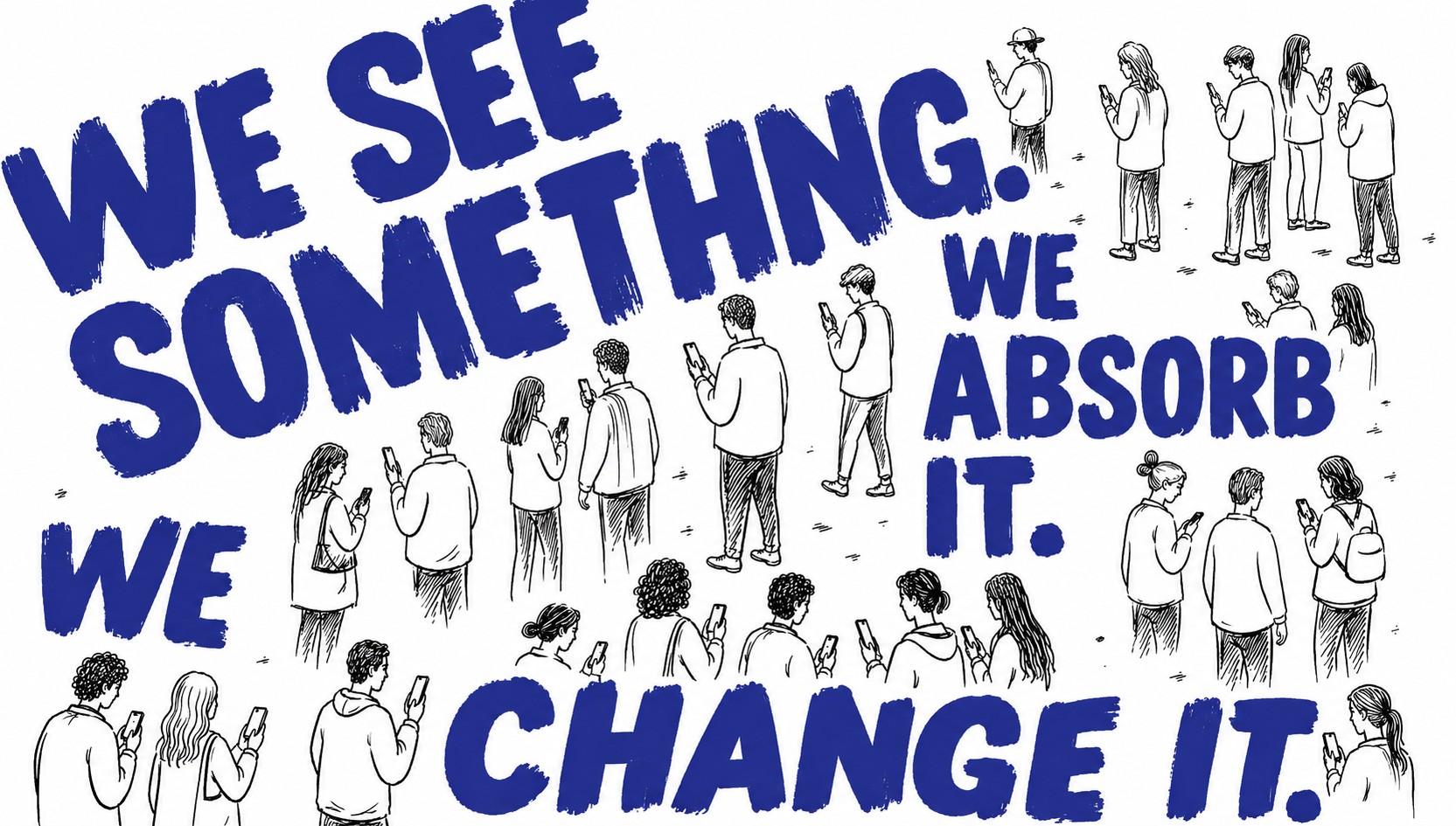
  • Almost everything is an iteration of something else. An artist sees another artist’s work and takes something from it. A musician hears a sound and pushes it somewhere slightly different. A designer borrows a layout, a typeface, a colour combination or an idea. Architecture responds to architecture. Fashion circles back on itself. Religions develop from… Read more

    Iteration: how do we escape it?
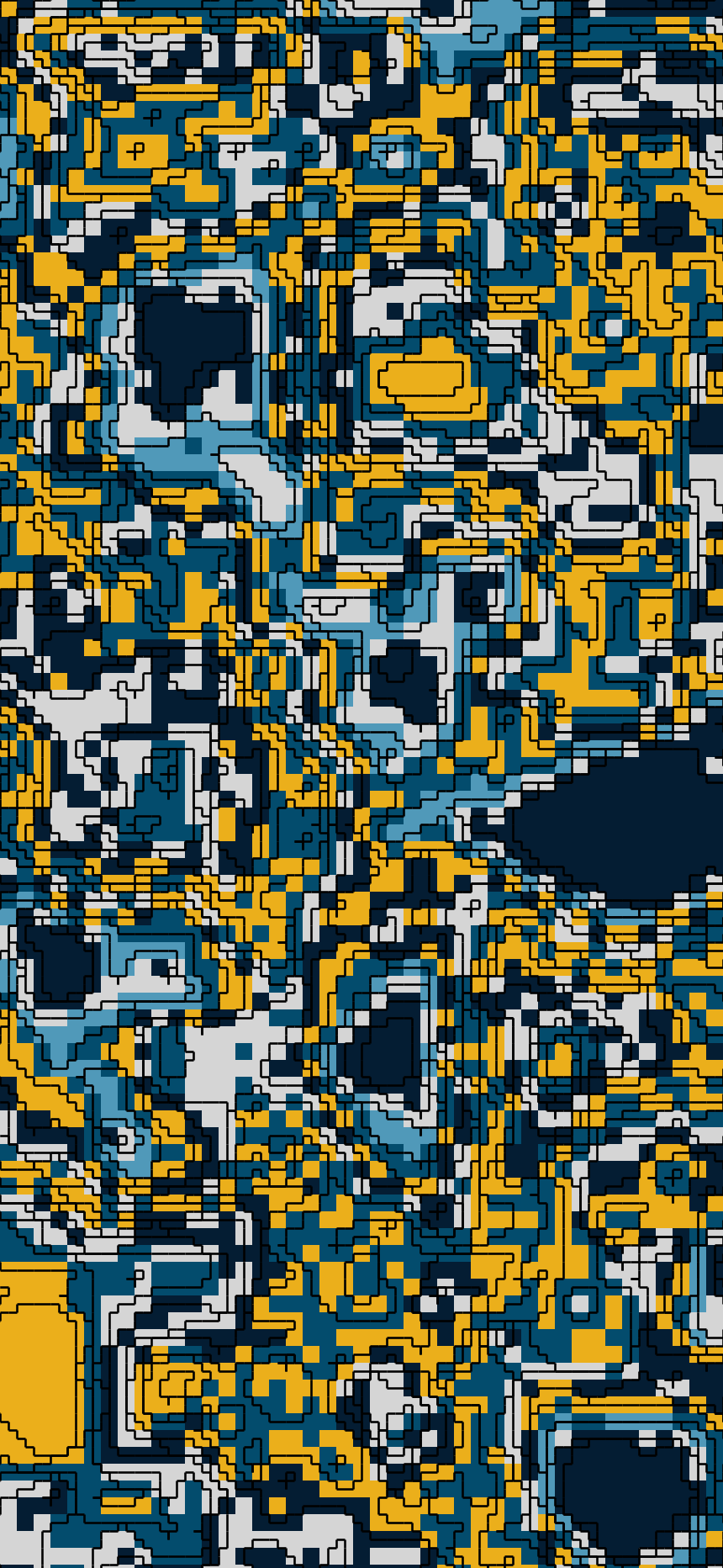
  • I’ve always liked map contours. There’s something about those repeated lines wrapping around hills, valleys and changes in elevation that feels both technical and strangely abstract. Take away the labels, roads and place names and they become patterns in their own right. For this little Processing experiment, I wanted to take that idea and make… Read more

    Creatively coded, colourful contours
  • There’s something quite nice about watching a solar eclipse through a Pringles tube. For all the technology we have around us, our preparations for the eclipse involved raiding the recycling and making pinhole viewers from cereal boxes and Pringles tubes. Very similar, really, to the sort of thing I remember doing at school in the… Read more

    Ten Heartbeats and an Eclipse
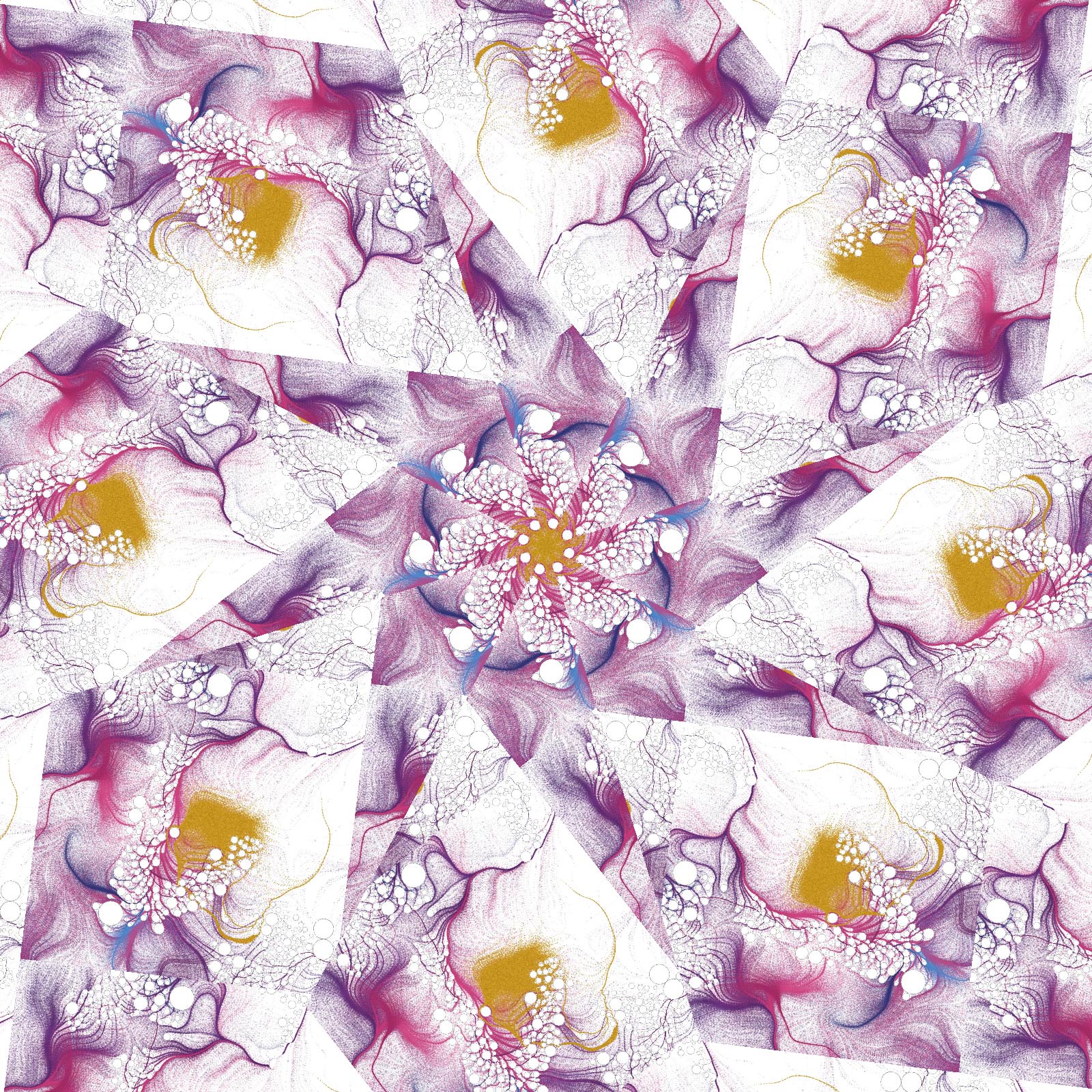
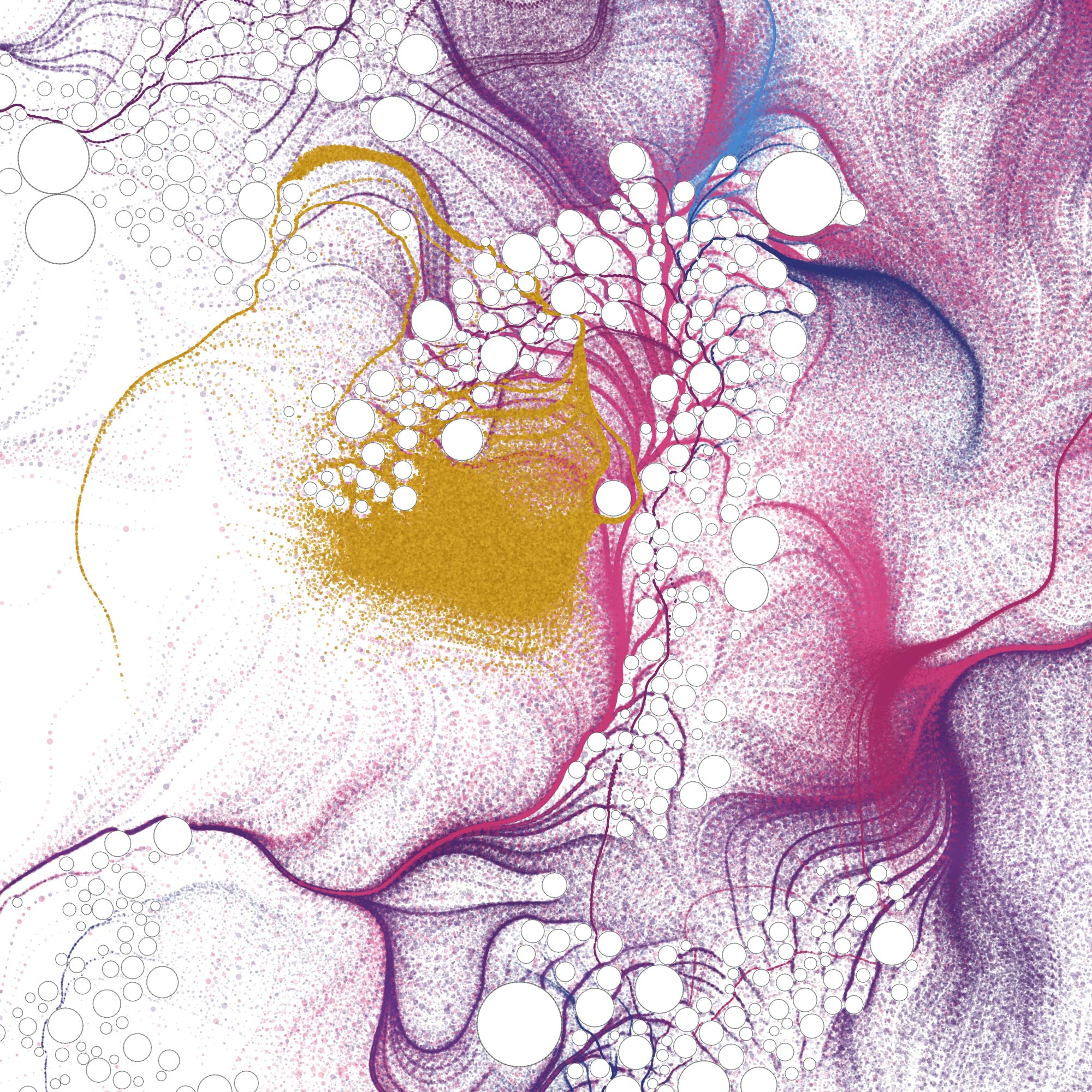
  • Sometimes an idea for a generative art project starts with data, a mathematical rule or something I’ve deliberately gone looking for. This one started with an ornament sitting on my desk. It’s one of those liquid motion ornaments filled with coloured sediment, oil and air. Turn it over and gravity takes care of the rest.… Read more

    Gold, Sediments, Waves and Oil
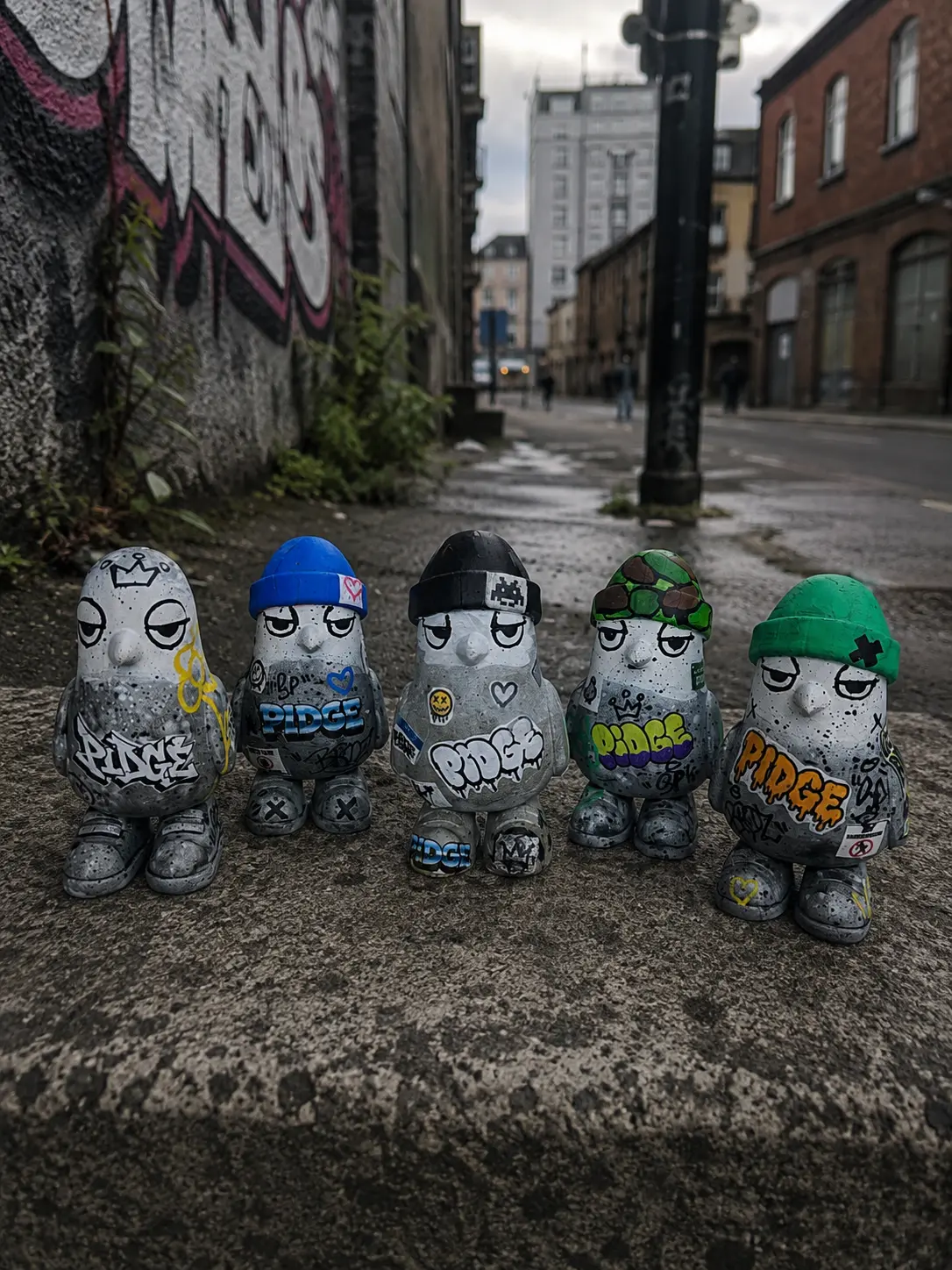
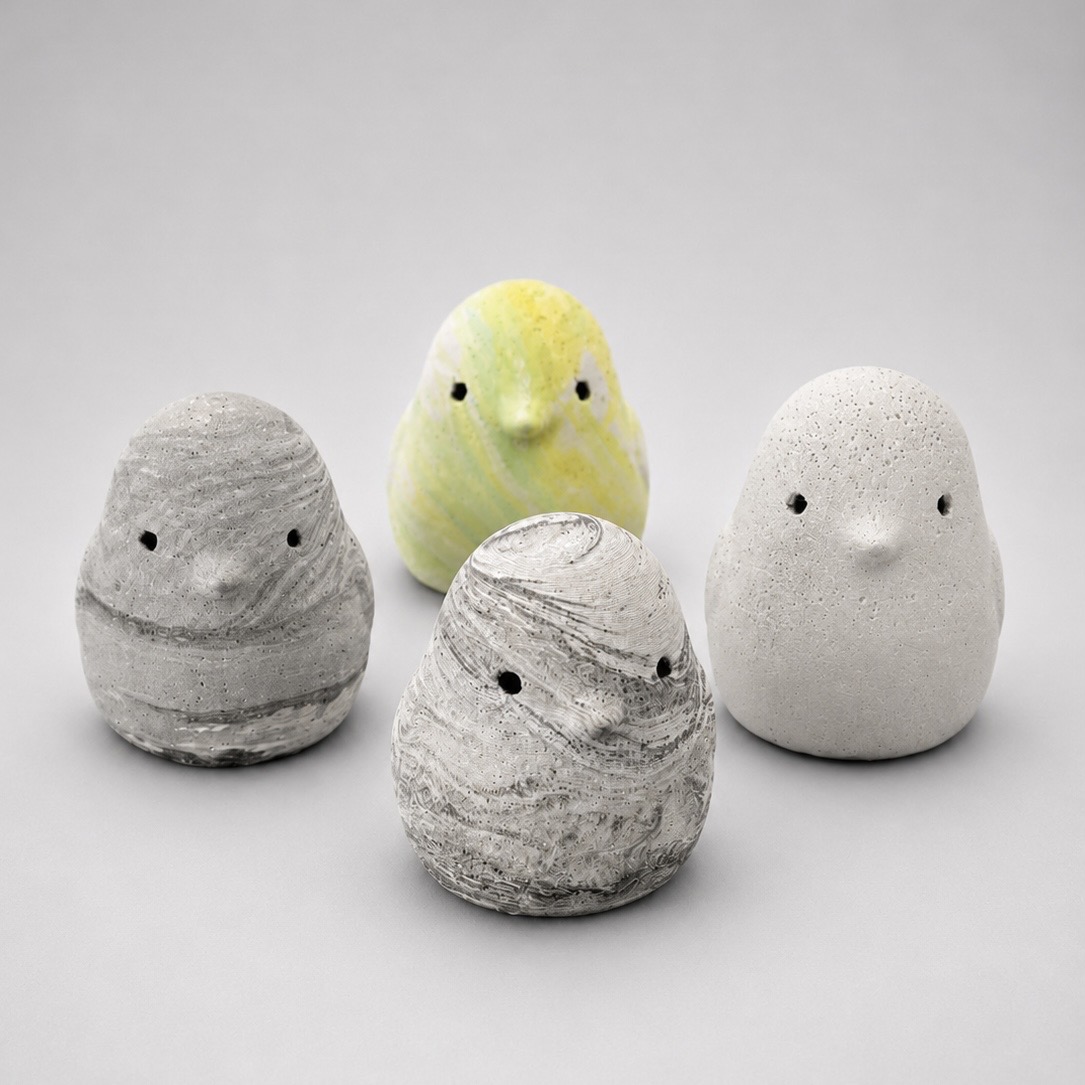
  • I’ve been making birbs. They started life digitally, as a very simple 3D model. I deliberately kept the form minimal: a rounded body, the suggestion of a beak and two eyes. Just enough information for your brain to decide that, yes, this little lump is probably a bird. From that original model I created a… Read more

    Making Birbs
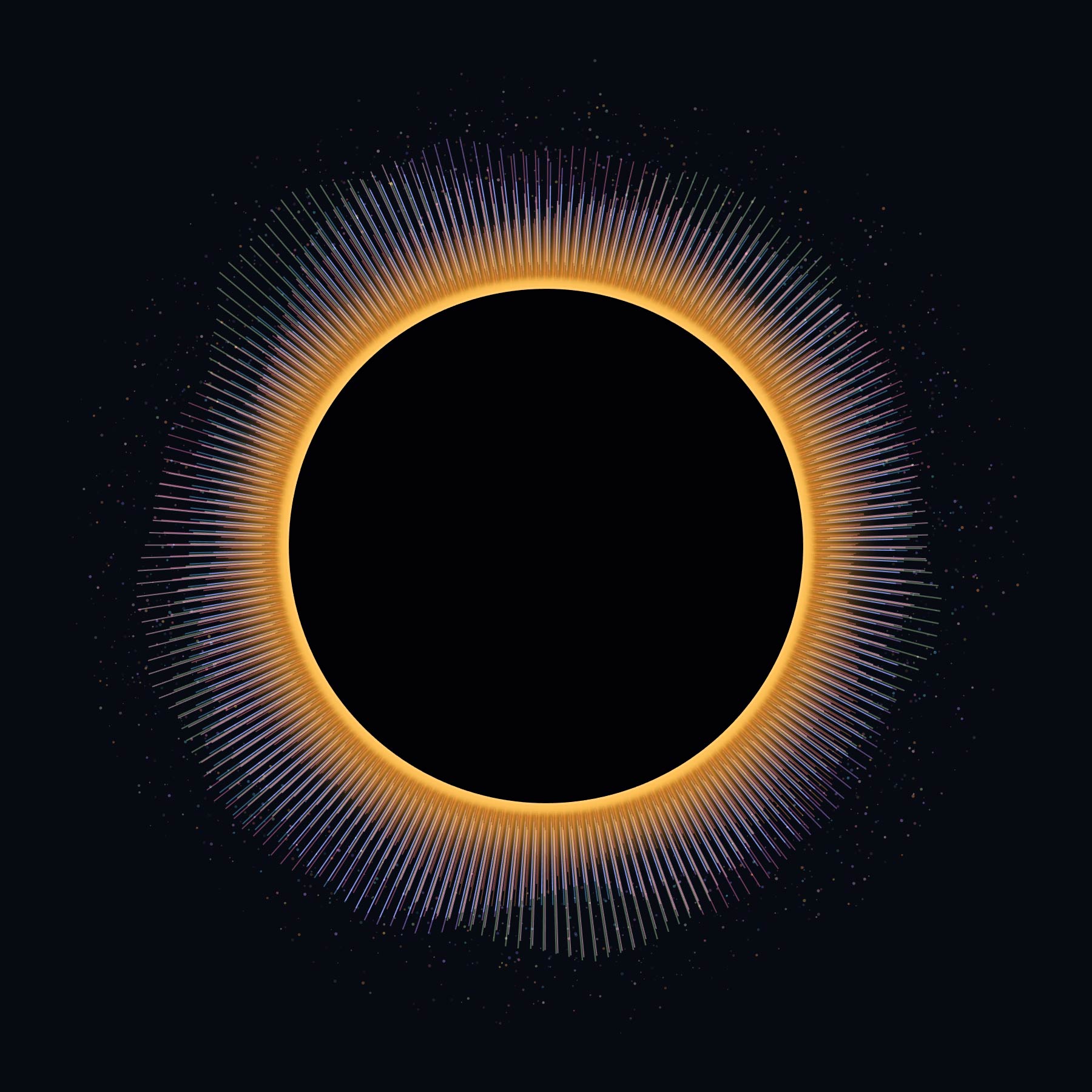
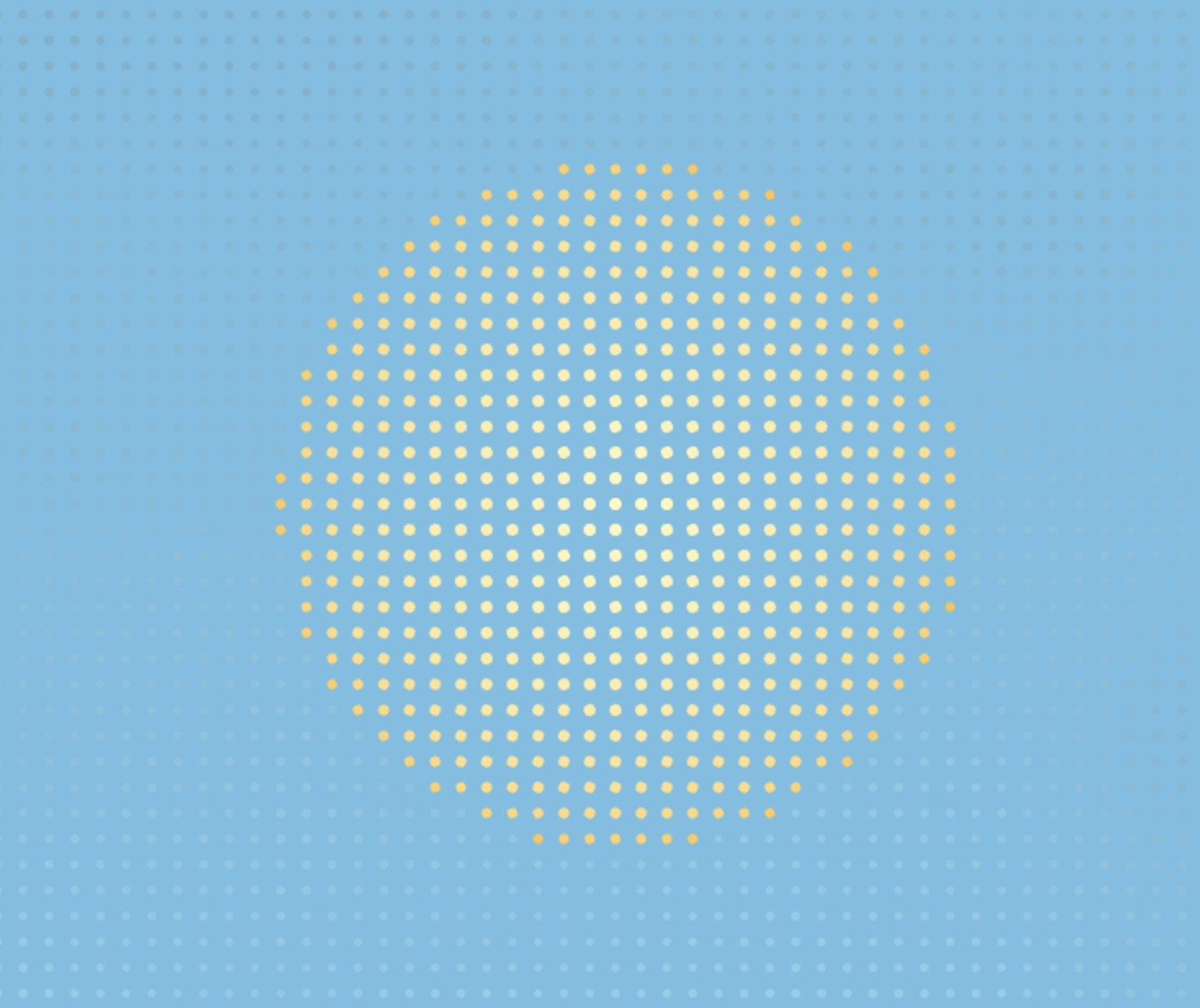
  • There’s something wonderfully low-tech about watching a solar eclipse through a cardboard box. I remember being at school in the 80s and 90s and making simple pinhole viewers — cardboard boxes, a tiny hole and an image of the Sun projected safely onto the inside. No screens, no apps, no live streams. Just a little… Read more

    Solar Eclipse 12/8/2026: A Dot-Matrix Sky
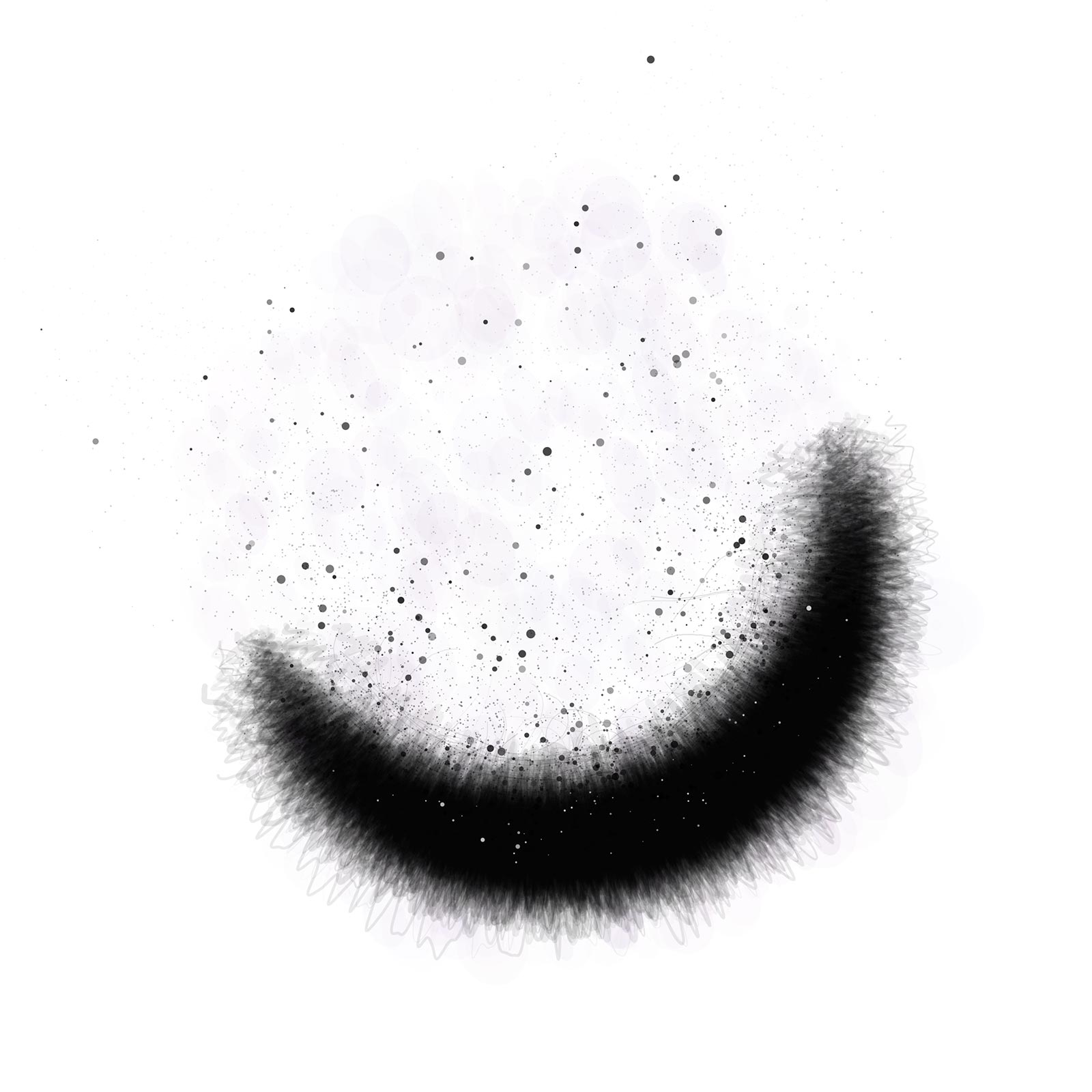
  • Sometimes an idea for a project doesn’t come from looking for one. I was doing the washing up after breakfast and noticed the sediment left in the bottom of a cereal bowl. The liquid had drained away, leaving behind a strange collection of stains, particles, darker edges and almost vein-like structures. I took a photograph.… Read more

    What if washing up looked like a solar eclipse?
  • What if the computer only gave the instructions? For Study 003, I wanted to move away from using code to create the finished image. Instead, the computer would simply tell me what to do. The Processing sketch creates an invisible square grid. Each position in the grid is randomly assigned one of seven possible instructions:… Read more

    Study 03: Random
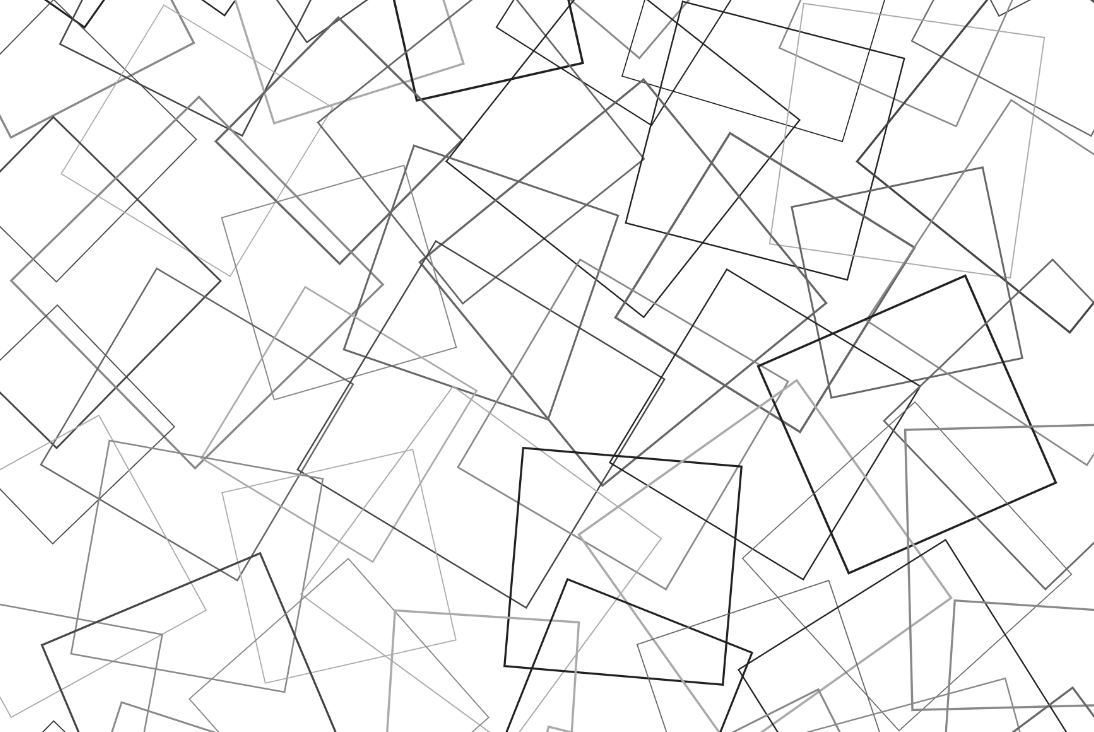
  • For the second experiment in this series, I wanted to keep the rules almost identical to the first project and change just one thing. Study 01 used multiplication to determine the rotation of each line. This time, I’ve replaced the lines with outlined squares and changed the mathematics from multiplication to addition. The question became:… Read more

    Study 02: Addition
  • What if every line could remember the moment it was created? This project explores that thought by treating every line as its own little life. Each one is born with a timestamp, a unique set of characteristics and its own colourful identity. Some grow quickly, some take their time. Some live long lives, while others… Read more

    Experiments: What if every line had a memory?